The Next Clinical Powerhouse: Strategic Imperatives for Eastern India’s Life Sciences Market
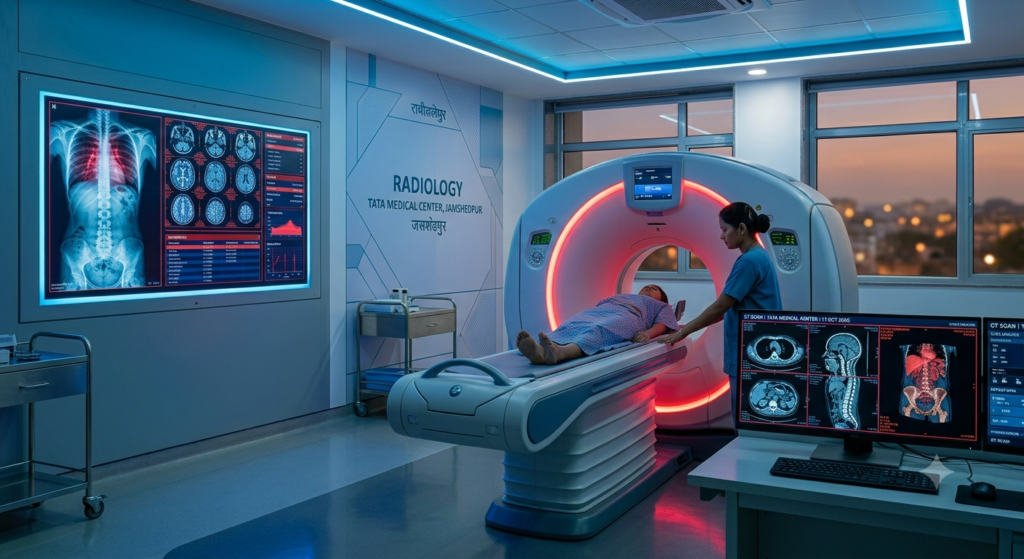
How a regional corridor can create opportunities for MSMEs—and why dependable service will matter as much as AI
Healthcare is often described through hospitals, doctors and the treatments they provide. Its daily functioning also depends on businesses that maintain equipment, move diagnostic samples, supply medicines, manage records and keep temperature-sensitive products in suitable conditions.
Across Jharkhand, West Bengal, Odisha and Visakhapatnam, these activities offer practical routes into healthcare and life sciences for MSMEs. A&N views this geography as an emerging Eastern India–Visakhapatnam Healthcare & Life Sciences Corridor, connecting healthcare demand with industrial support and medical technology infrastructure.
The opportunity extends across the corridor: enterprises can serve customers in one location while developing sourcing, technical and manufacturing partnerships in another. Turning these connections into a viable business requires capable people, reliable delivery and disciplined investment.
1. Infrastructure Scale Creates Business Opportunity
Hospital capacity, shared facilities and industry growth open doors for MSMEs
A&N’s assessment: Healthcare capacity creates recurring requirements for supplies, maintenance, logistics and operational support. MSMEs can enter through these focused services and use AI to improve stock planning, scheduling and service efficiency.
2. Where MSMEs Can Enter and Excel
Address a specific healthcare need with a dependable service
Healthcare institutions need equipment that remains available, samples that reach laboratories on time, supplies that arrive when required and records that support daily decisions.
These requirements give smaller businesses a basis for competition throughout the corridor. Local presence and prompt service can help secure initial customers, while regional partnerships can provide access to products, expertise and facilities.
| Business opportunity | Practical starting point | Role of AI |
| Biomedical equipment services | Preventive maintenance and service coordination for a defined equipment category | Analyse service records, prioritise faults and plan maintenance |
| Diagnostics support | Sample collection, laboratory logistics and partnerships with established laboratories | Support scheduling, quality checks and report prioritisation |
| Medical supplies and distribution | Reliable delivery of selected consumables, reagents or medical devices | Forecast demand and identify slow-moving or expiring stock |
| Cold-chain logistics | Temperature-monitored transport for products with specified storage requirements | Flag temperature deviations and anticipate delivery delays |
| Hospital and clinic software | Appointment management, documentation and billing support | Reduce repetitive work and flag incomplete records |
| Industrial workforce healthcare | Employer partnerships for screening and coordinated follow-up | Support reminders and analyse aggregated programme trends |
The starting point should be a service the enterprise can deliver consistently. A defined equipment category, a manageable delivery route or a small group of institutional customers allows an MSME to understand its costs before extending its reach across the corridor.
3. A Corridor Built Through Complementary Capabilities
Connecting healthcare customers, enterprise support and specialised facilities
The corridor brings together resources that businesses can assess as part of a regional operating model:
| Geography | Available support | Practical relevance |
| Jharkhand | Single-window facilitation for industrial approvals | Support for establishing eligible industrial operations. |
| West Bengal | Support for shared infrastructure through the MSME industrial park scheme | Infrastructure for enterprises assessing a regional operating base. |
| Odisha | Pharmaceutical and medical device investment support | A framework for eligible manufacturing and supporting activities. |
| Visakhapatnam | Shared medical technology testing, prototyping and manufacturing facilities | Access to specialised capabilities and potential development partners. |
For MSMEs & Small companies, the value lies in connecting these resources with confirmed customer needs. An equipment supplier may develop regional service partnerships; a diagnostics enterprise may coordinate collection and laboratory relationships; a device developer may explore shared testing facilities.
Each connection must work commercially. Transport costs, response times, staff availability and customer payment cycles will determine whether a wider footprint improves the business.
The Eastern India–Visakhapatnam Healthcare & Life Sciences Corridor is A&N’s proposed strategic framework, rather than an officially designated government corridor.
AI can help businesses coordinate across the corridor
Operating across locations introduces practical challenges. Stock requirements vary between customers, service teams cover different territories and deliveries must meet agreed schedules.
AI can support demand forecasting, maintenance planning, route coordination and administrative work. Its usefulness depends on reliable records and staff who can act on the information.
A maintenance alert needs a capable technician. An inventory forecast needs a purchasing decision grounded in customer demand. A temperature deviation needs a clear response procedure.
For MSMEs, the priority is to develop these operating capabilities alongside technology adoption. Clinical applications require qualified oversight and validation appropriate to their intended use.
What regional business opportunities should reward
Healthcare buyers can give capable MSMEs a clearer basis for competition by specifying expected outcomes. Is equipment serviced on schedule? Are samples handled correctly? Are deliveries complete and traceable? Can the supplier show how an issue was resolved?
These measures help suppliers compete through performance and justify investment in training, supervision and systems. They also make the contribution of AI easier to assess through changes in turnaround time, stock losses, administrative effort and service reliability.
Regional growth should follow evidence of repeatable delivery. Adding locations creates value when the enterprise can maintain service quality and sustain the full cost of each contract.
A&N Perspective
The corridor offers MSMEs a framework for finding customers, accessing specialised capabilities and building partnerships across state boundaries. Focused services provide a practical entry point; dependable performance provides the basis for expansion.
A&N Industrial Consulting’s view is that the next phase of growth will be shaped by a simple test: which companies can turn the corridor’s healthcare and life sciences opportunities into consistently well-managed services?
Businesses that develop skilled teams, use AI where it improves delivery and build trusted regional partnerships will be best placed to enter this market and grow across it.